Zinsco Panel Replacement Done Right - Upgrade Plus Stucco Patch
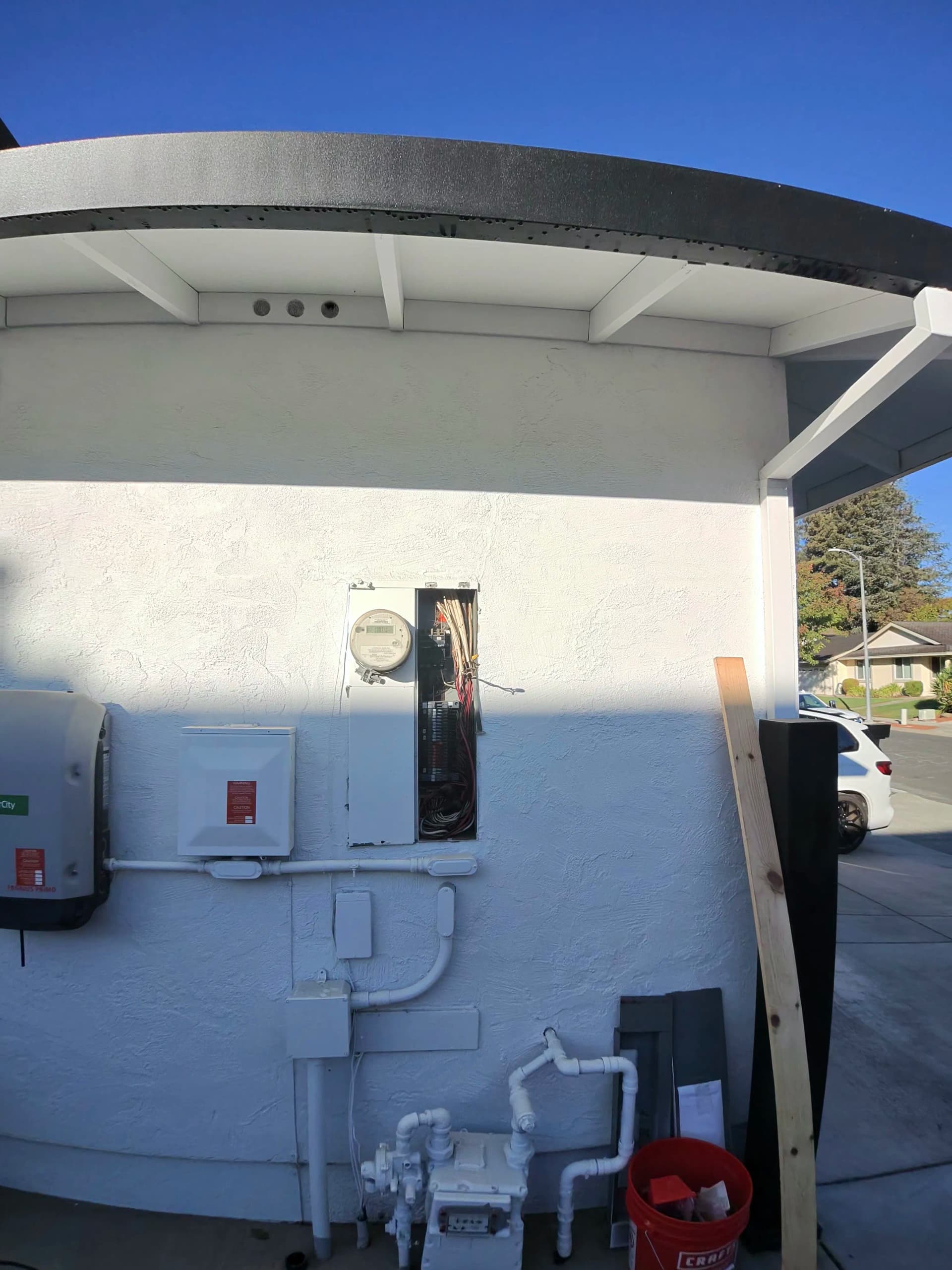
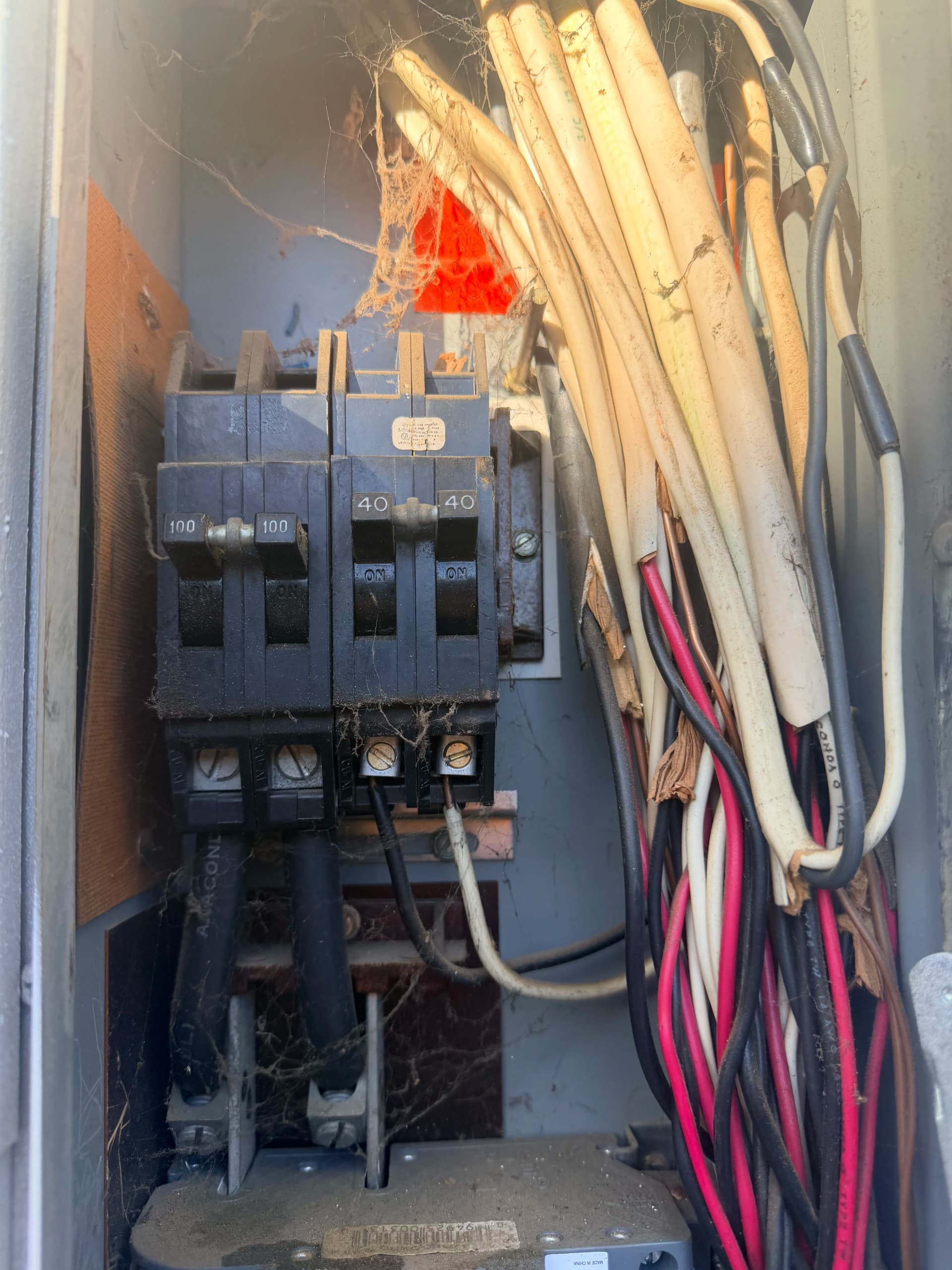
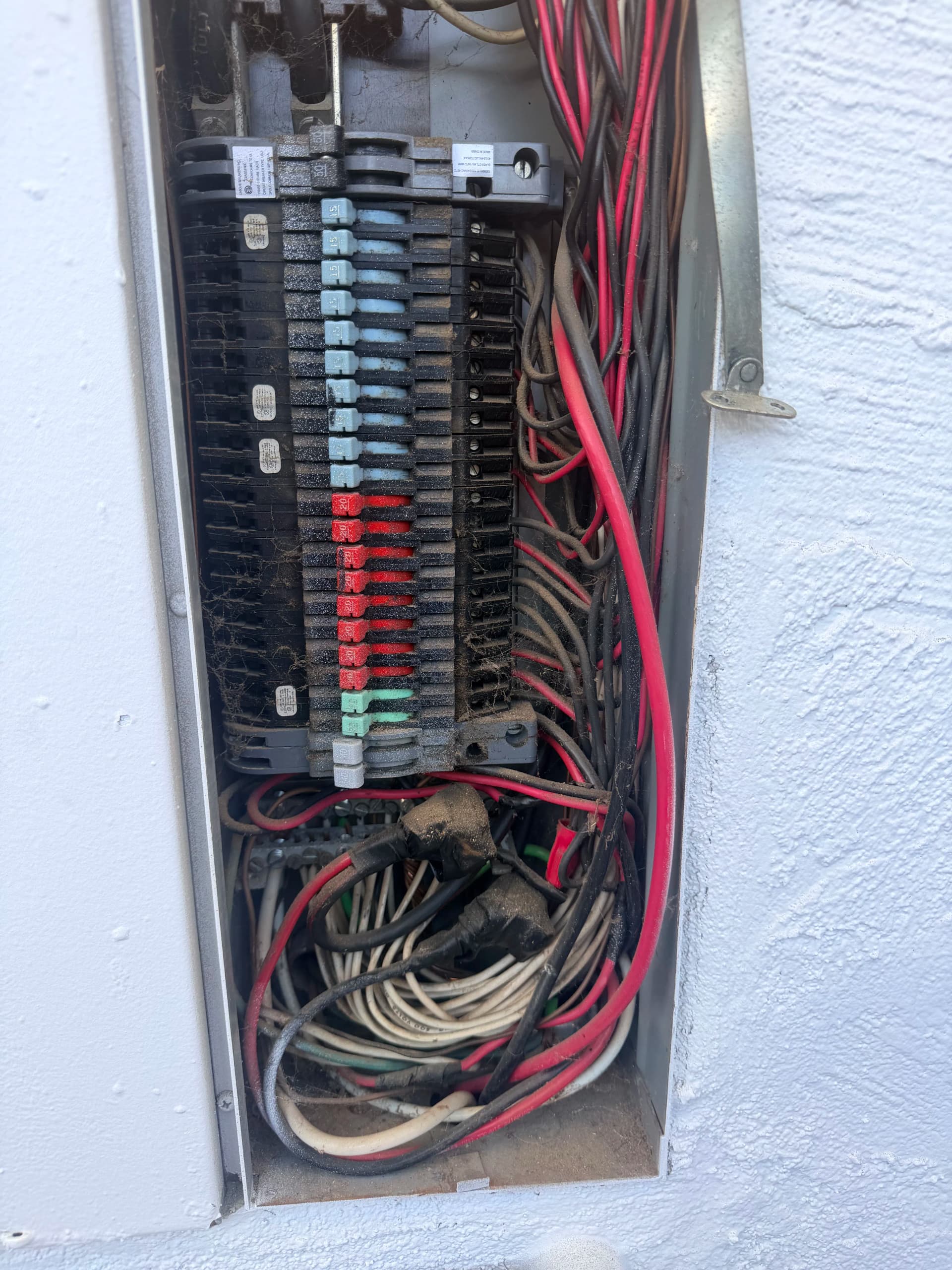
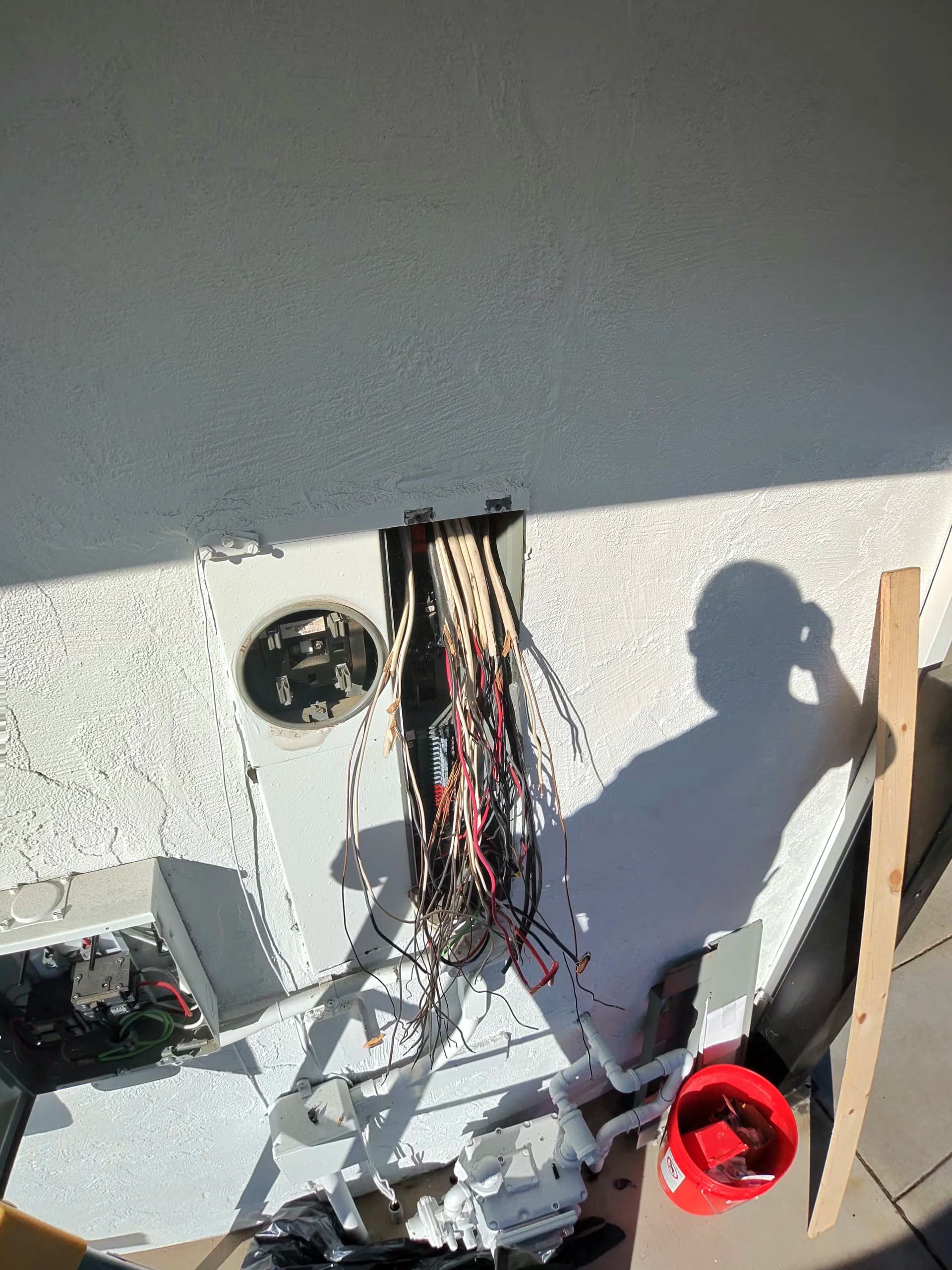
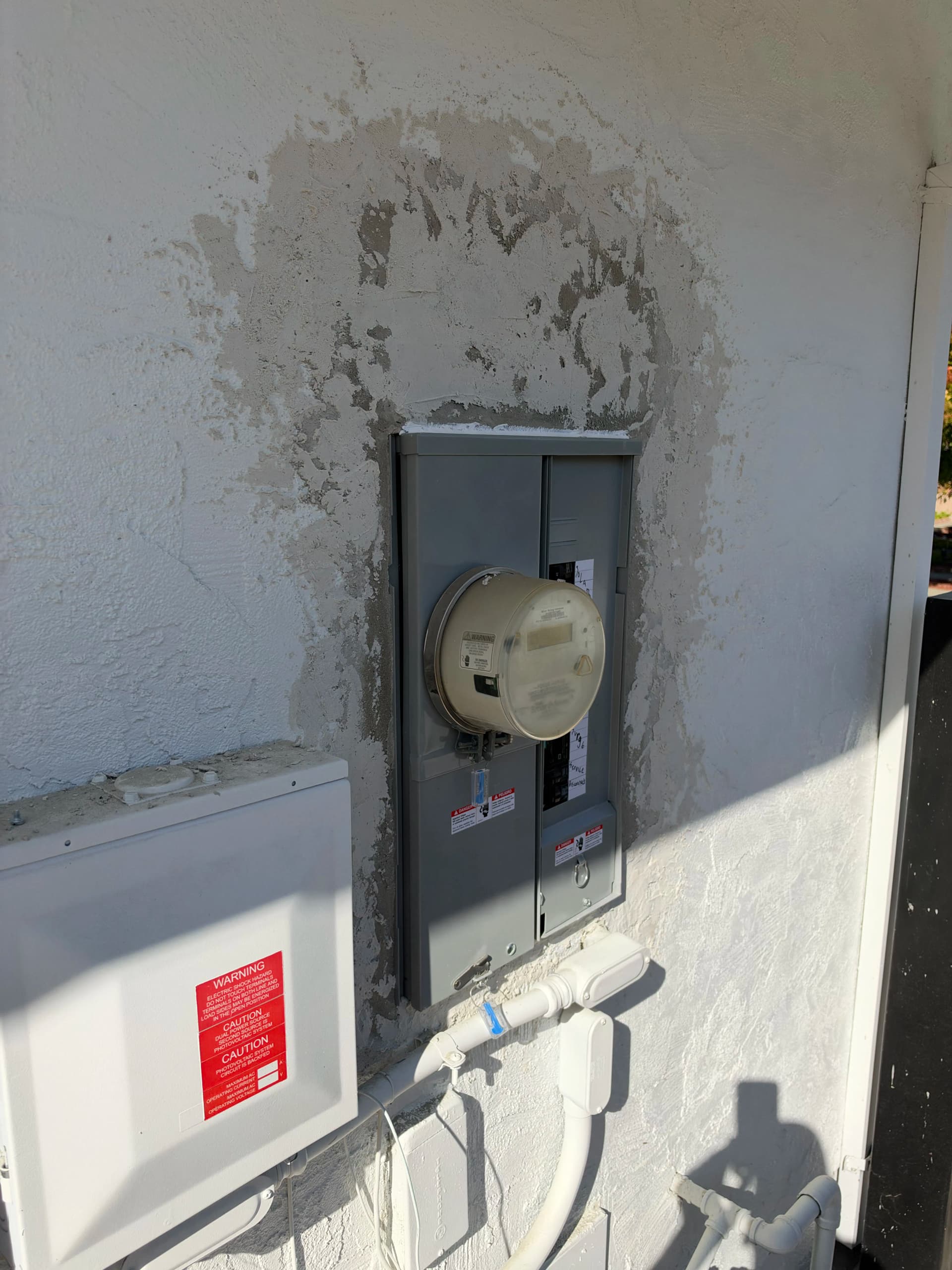
Zinsco panels have a bad reputation for a reason. These older panels - common in homes built from the 1960s through the 1980s - are known to have breakers that don't trip properly when they should. That means heat builds up, and the risk of electrical fire goes up with it. When a homeowner has one, getting it replaced isn't really optional. It's a safety call.
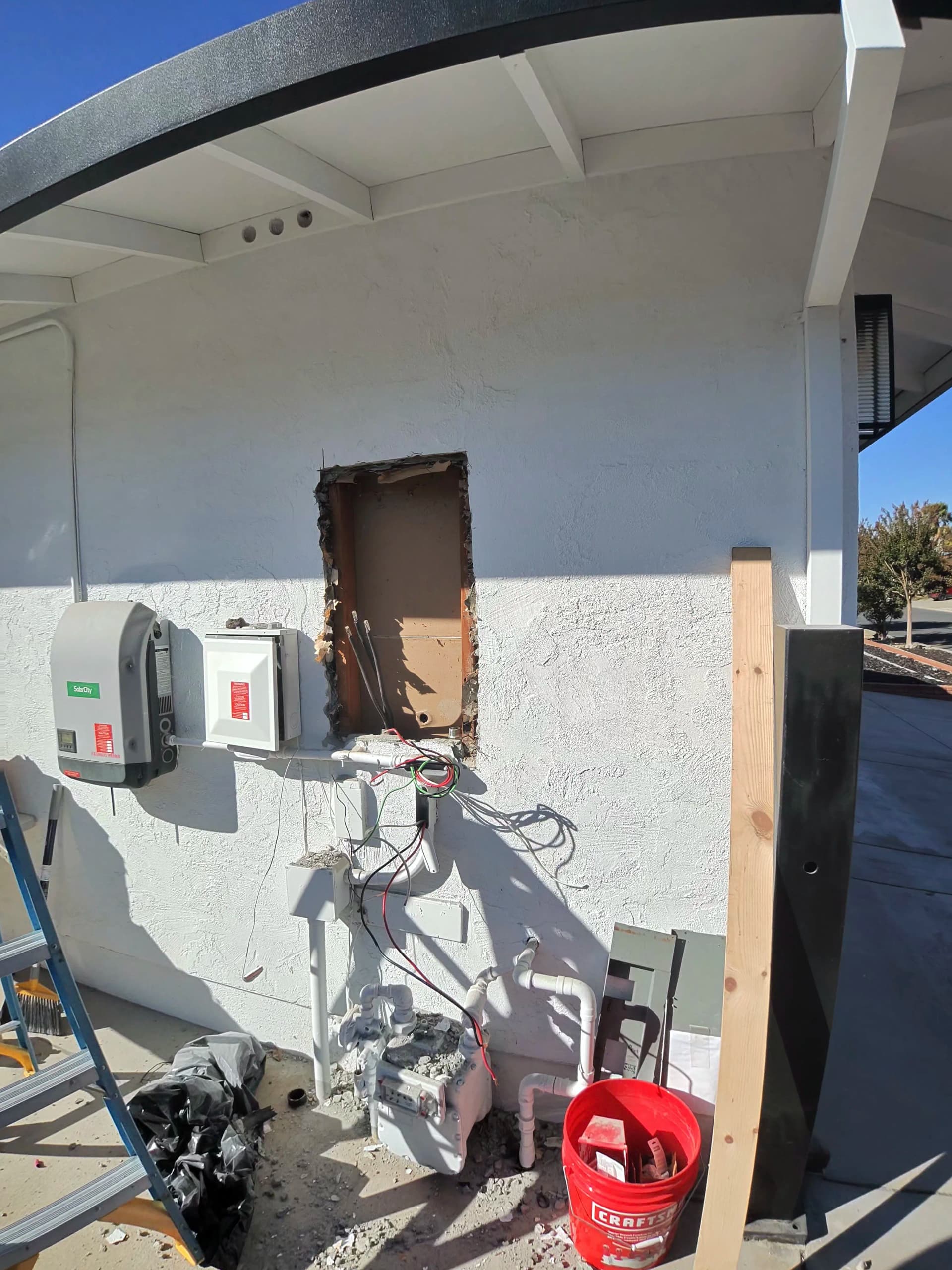
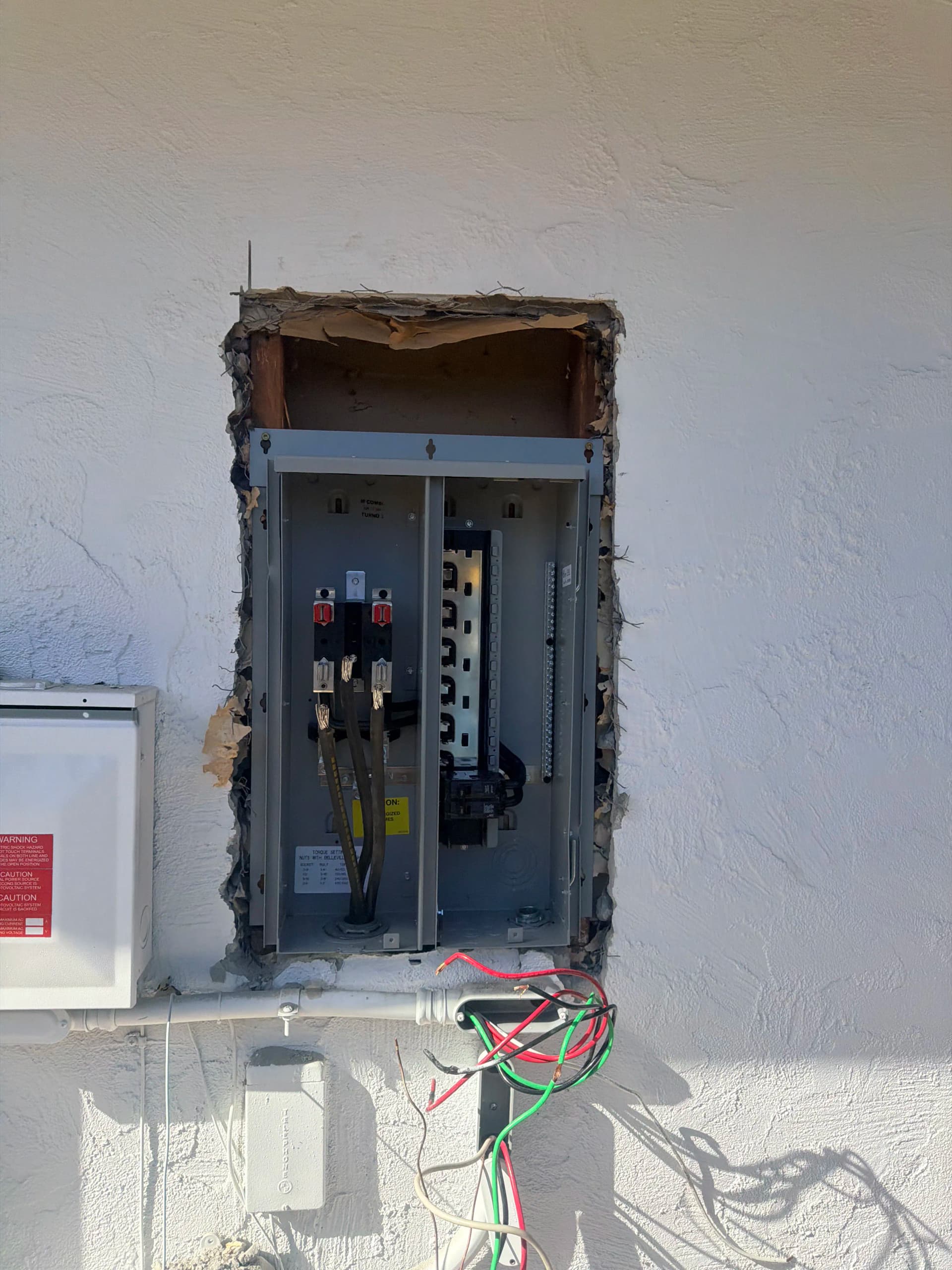
Here's what we were working with on this job. The old Zinsco was loaded with decades of grime, cobwebs, and wiring that had seen better days. Breakers coated in dust, insulation that had started to deteriorate, and a panel that was long past its useful life. Not the kind of thing you want sitting between your home and the utility grid.
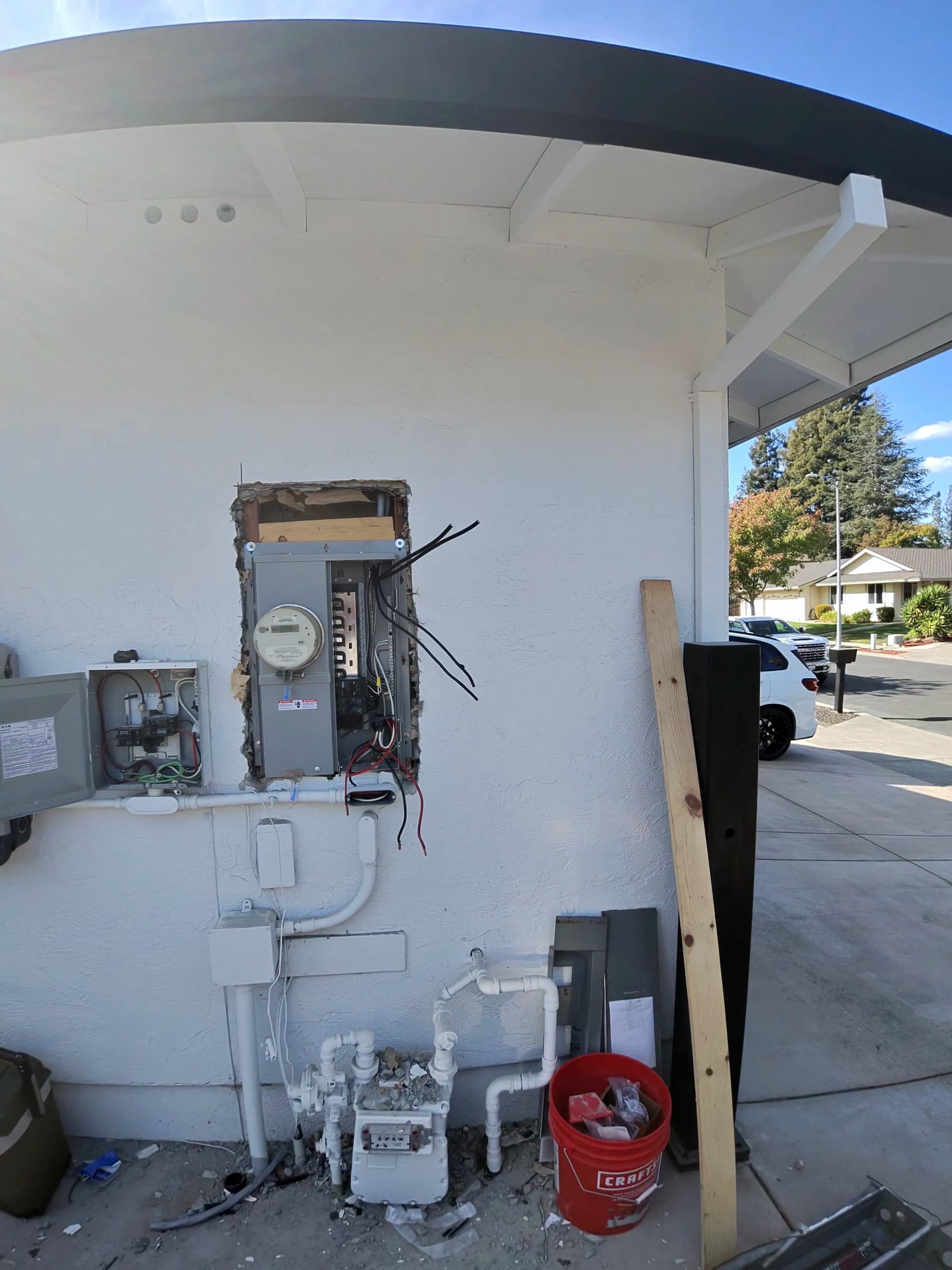
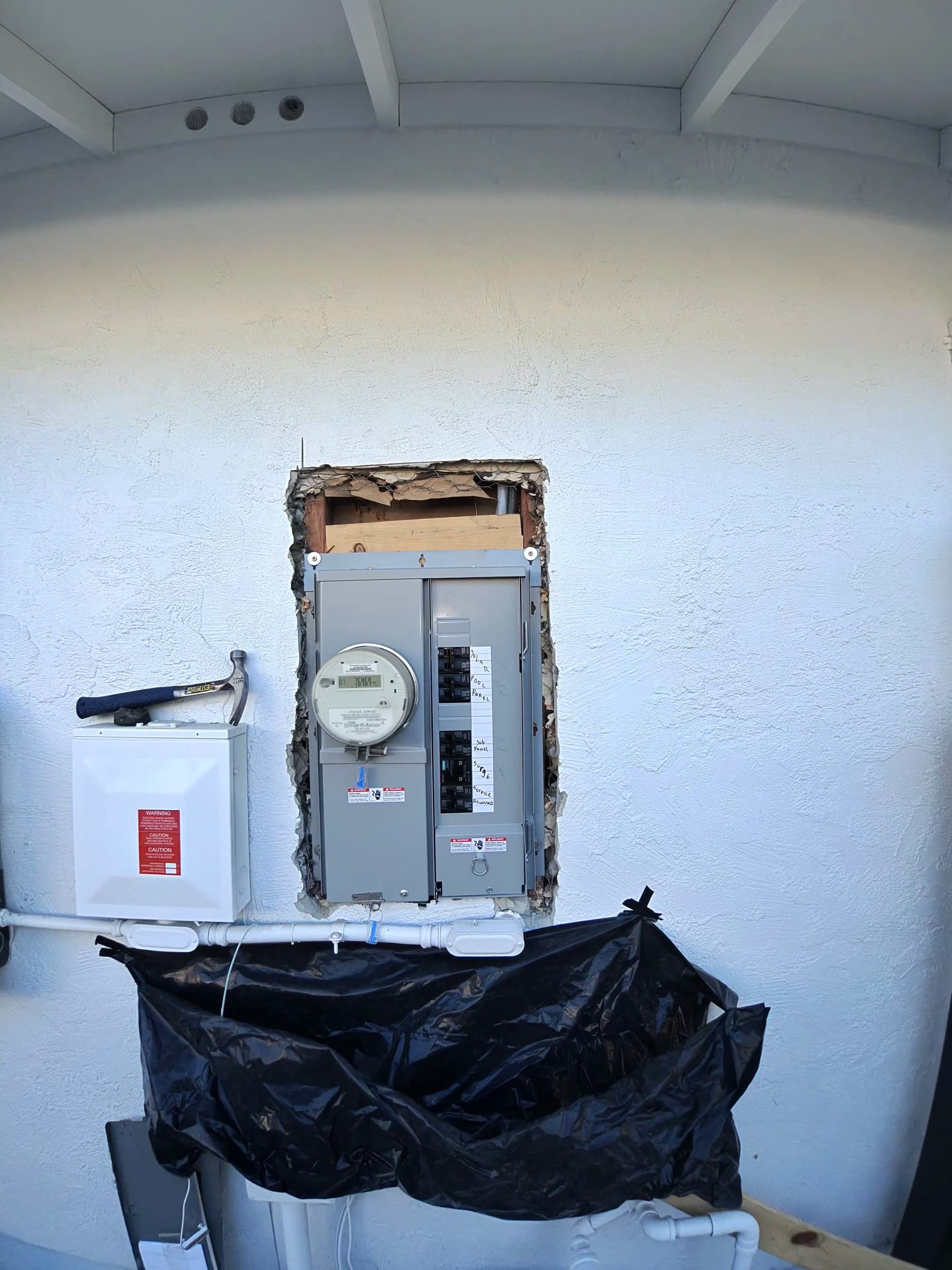
Once we had the old panel out, we set the new unit and got everything reconnected cleanly. The rough-in stage is always where you can tell how a job is being done - wires routed with intention, nothing crammed or forced. A panel upgrade done right gives the home a solid electrical foundation, especially important if the property has solar or other added loads, as this one did.
One thing we always account for on stucco homes is what happens to the wall when the old panel comes out. The opening doesn't just close itself back up. We handled the stucco patching as part of the job so the finished product looks like the panel belongs there - not like something was swapped out in a hurry. That detail matters.
If your home still has a Zinsco, Federal Pacific, or just an older panel that's giving you trouble - tripping breakers, signs of heat, or simply unknown - it's worth having someone take a look. These things don't fix themselves, and catching a problem early is a lot less painful than the alternative.