Why Improper Romex Routing Is a Hidden Electrical Hazard
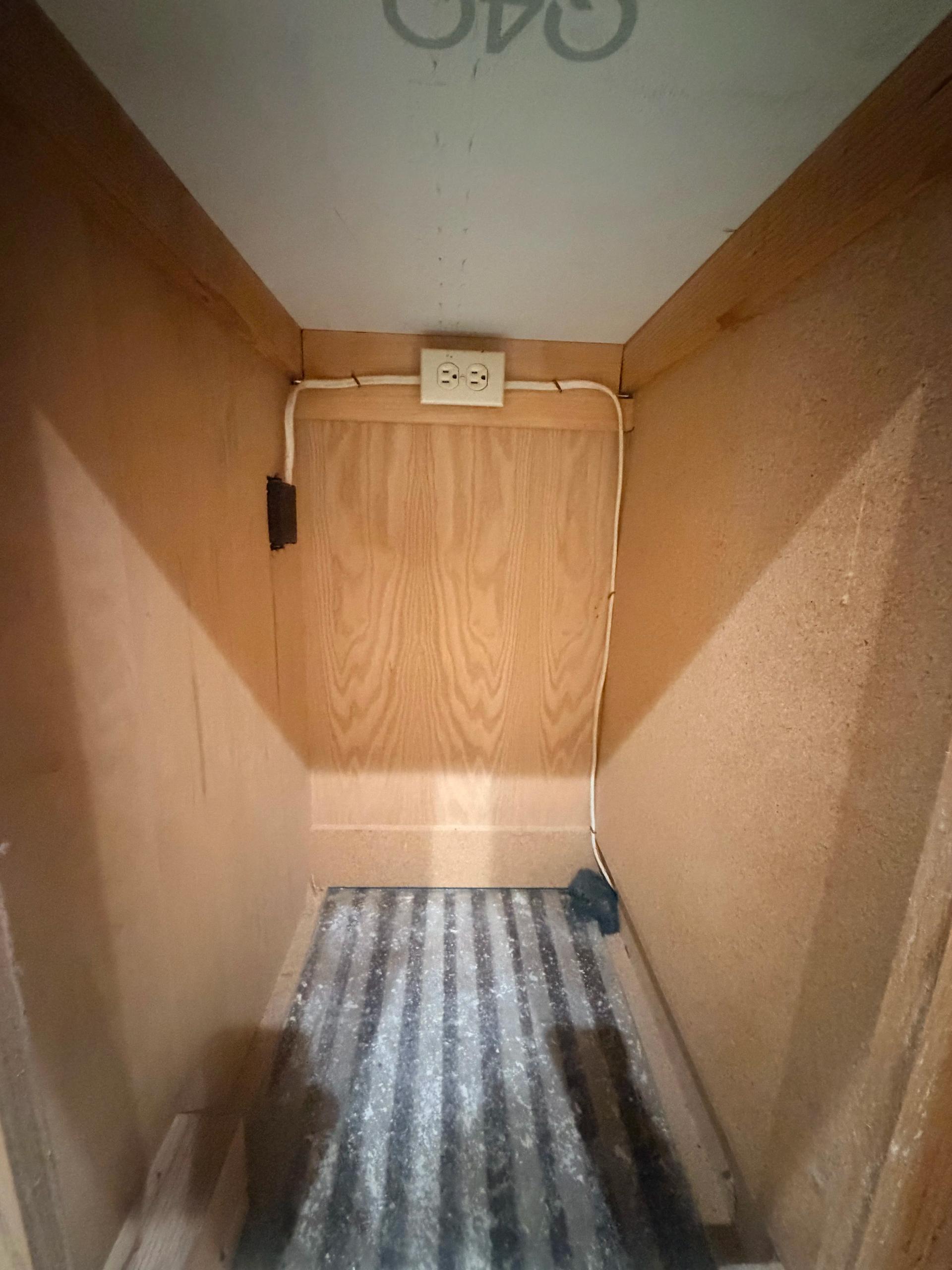
Here's the thing about wiring shortcuts - they don't show up on a home inspection report until something goes wrong. And by then, you're dealing with a much bigger problem than you bargained for.
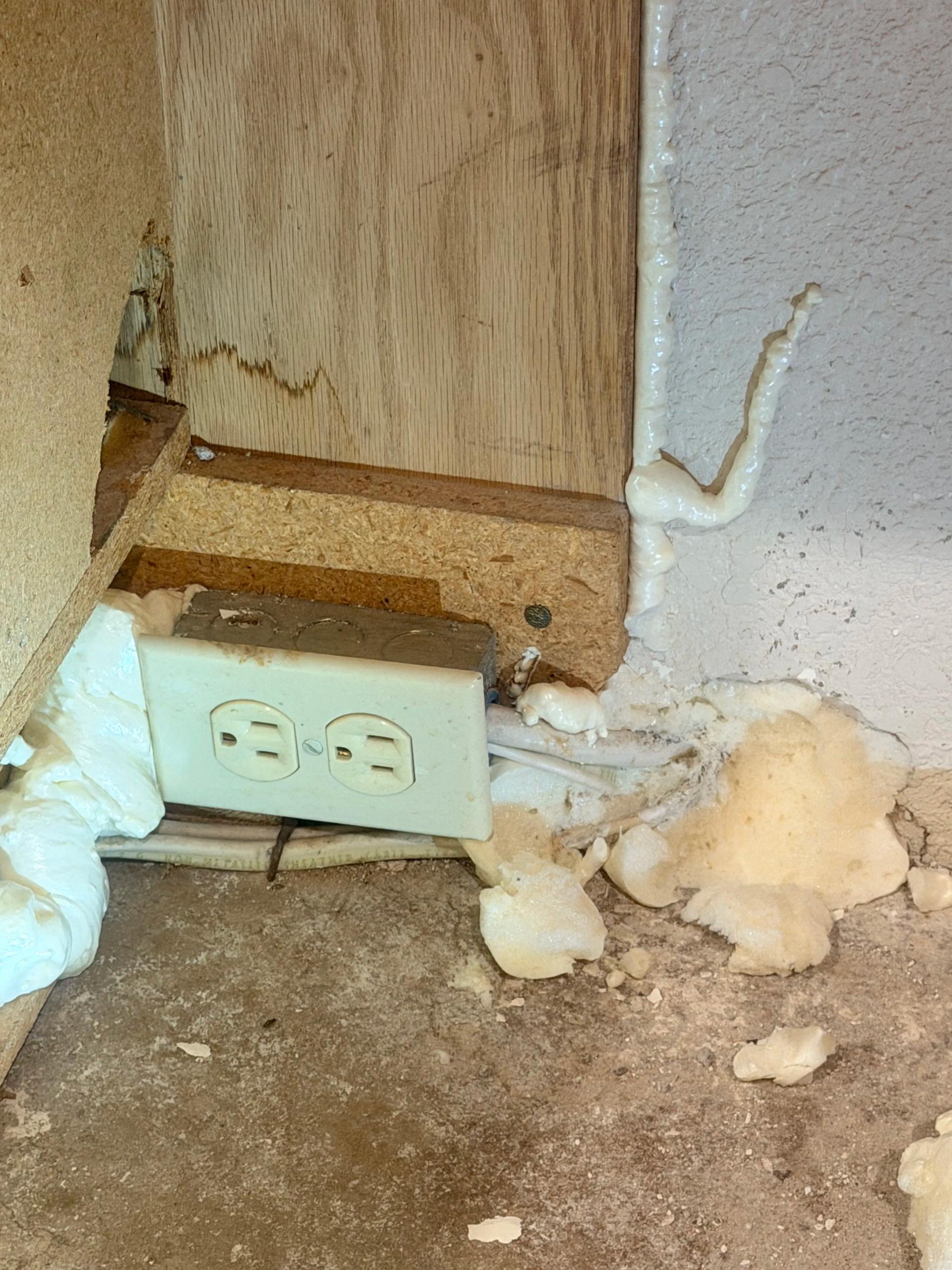
What we're looking at here is Romex cable run in a way that leaves it completely exposed to physical damage. The wire is sitting right where it can get hit, pulled, compressed, or buried in spray foam - and that's exactly what happened. Spray foam was used around an outlet box sitting at floor level, with the cable running through areas where it has zero protection. This kind of setup is a code violation, but more importantly, it's a genuine safety risk.
When Romex gets damaged - pinched, nicked, or crushed - the insulation breaks down. That's how you end up with shorts, tripped breakers, or worse. We see situations like this more than you'd think. Someone adds an outlet during a remodel, takes a shortcut on the routing, and covers it up. Years later, the damage is hidden inside a wall or buried under foam, and nobody knows it's there until there's a problem.
The right approach means securing Romex properly, running it through protected paths, and never leaving it exposed where it can be compromised. It takes more time to do it correctly. That's the point. Cutting corners on wiring installation isn't just sloppy - it creates liability and risk that follows a home for years.
If your home has had work done by someone other than a licensed electrician, or if you've got outlets that just don't feel right - flickering, loose, or showing signs of wear - it's worth having someone take a look. A second opinion costs a lot less than dealing with the fallout from wiring that was never done properly.