Mice in Your Walls Could Be an Electrical Hazard
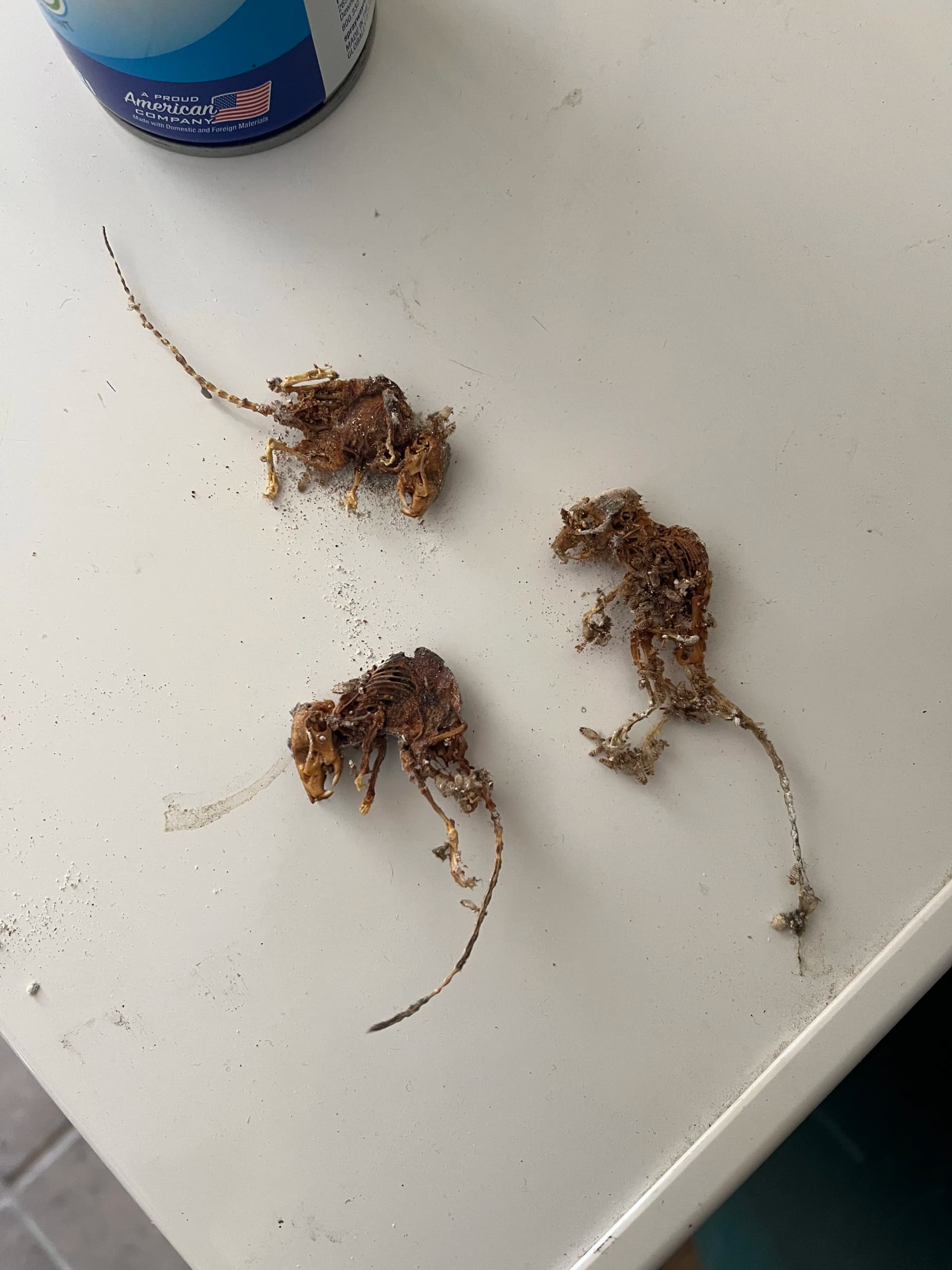
Most people think of mice as a nuisance. Traps, a little mess, maybe some noise in the walls at night. But here's the thing - rodents and electrical systems are a dangerous combination, and it's one of the more overlooked fire risks in older homes.
Mice chew. That's just what they do. And they don't discriminate between insulation, drywall, and the plastic coating on your wiring. When they get into your walls and start gnawing on wires, they strip away the protection that keeps electricity where it belongs. That's how you end up with shorts, arcing, and in the worst cases, fires that start inside the wall where you can't see them.
The warning signs aren't always obvious. Flickering lights, a breaker that trips for no clear reason, an outlet that stops working - these are the kinds of things people write off or just work around. In an older home with aging wiring already, rodent damage can push a marginal situation into a genuinely unsafe one fast.
We've seen it firsthand. When we get into a home and find evidence of rodent activity near the electrical system, we take it seriously. A thorough inspection can tell you whether the damage is cosmetic or whether wiring actually needs to be repaired or replaced. It's the kind of thing that's a lot cheaper to deal with now than after something goes wrong.
If something in your home feels off electrically - and you know or suspect you've had rodents - don't sit on it. Getting it looked at is the right call.